Tracing Algorithmic Triggers Behind Session Extensions in Multi-Platform Reel Environments
Core Mechanisms in Reel Session Management
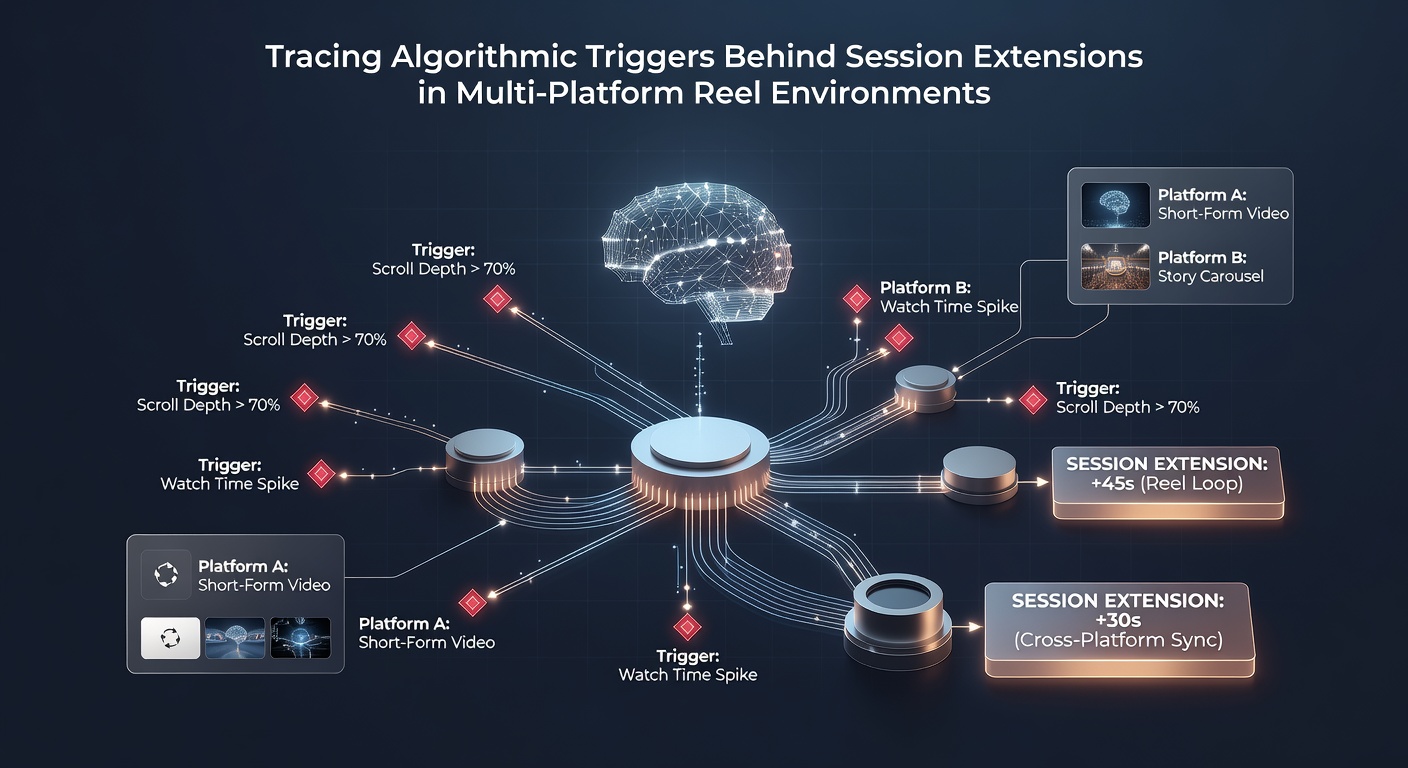
Algorithmic systems in multi-platform reel environments rely on real-time data streams from user interactions to adjust game parameters dynamically, and these adjustments often include modifications to reel spin frequencies along with bonus activation thresholds. Data from industry reports indicates that such systems process inputs like spin duration, bet size patterns, and device switches to determine when extensions occur, while regulatory frameworks in regions such as Nevada require operators to log these triggers for compliance audits. Researchers at institutions including the University of Nevada, Las Vegas have examined how random number generators integrate with session timers, and findings show that near-miss calculations can influence continuation rates without violating fairness standards.
Platform transitions add another layer because algorithms detect when a user moves from desktop to mobile interfaces, at which point they recalibrate reward schedules to maintain continuity, and this process draws on cross-device identifiers to synchronize progress across environments. Observers note that these recalibrations frequently involve incremental increases in feature unlock probabilities during the first few minutes after a switch.
Behavioral Data Integration and Timing Variables
Session extension logic incorporates behavioral analytics that track metrics such as average session length per device type together with time-of-day preferences, and operators feed this information into predictive models that forecast drop-off points. According to technical documentation from the Nevada Gaming Control Board, these models must operate within certified boundaries that prevent deterministic outcomes, yet they still permit adaptive difficulty scaling based on aggregated historical data.
Timing variables play a central role because algorithms monitor intervals between spins and introduce micro-adjustments to reel stop positions or sound cues when idle periods exceed certain thresholds, while multi-platform environments further complicate matters by accounting for network latency differences between Wi-Fi and cellular connections. Studies from Australian academic groups have documented how these timing interventions correlate with measurable increases in total spins per session across tested cohorts.
Cross-Platform Synchronization Techniques
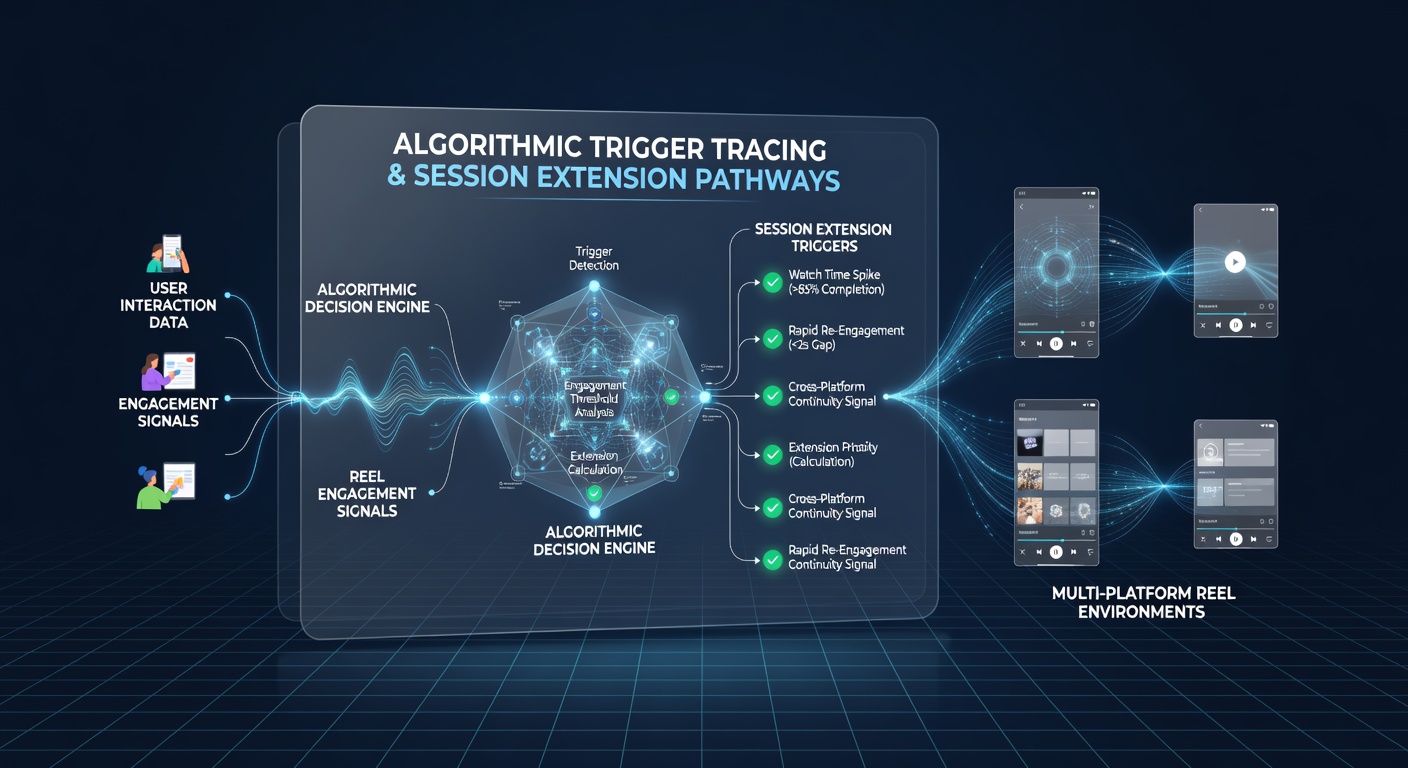
Multi-platform reel systems employ cloud-based state management to ensure that progress, bonuses, and balance information remain consistent regardless of access point, and algorithmic triggers for extensions often activate during synchronization events when the system identifies opportunities to re-engage users through limited-time features. Those who have analyzed server logs report that such triggers frequently coincide with peak usage windows in June 2026, when data volumes from mobile devices reached new highs in several jurisdictions.
Security protocols require encryption of all transmitted session data, and this requirement influences how quickly extension algorithms can respond because additional processing steps for verification add microseconds to each decision cycle. Industry associations such as the European Gaming and Betting Association have published guidelines that address these latency considerations while maintaining transparency requirements for operators.
Regulatory Oversight and Technical Standards
Regulatory bodies outside the United Kingdom, including those in Canada and parts of the European Union, mandate regular testing of algorithmic components that control session length, and certification labs verify that extension triggers do not override the underlying randomness of reel outcomes. Technical standards updated in early 2026 emphasize audit trails that record every instance when an algorithm modifies a parameter mid-session, which allows investigators to trace causal chains from user action to extended play.
Operators must also disclose certain aspects of these systems in player-facing documentation, although the precise weighting formulas remain proprietary, and this balance between transparency and intellectual property protection continues to shape how new platforms implement extension features. Research papers from Canadian universities have highlighted cases where cross-border data flows affect the speed at which algorithms can adapt across different regulatory zones.
Future Developments in Algorithmic Design
Emerging approaches incorporate machine learning models trained on anonymized interaction datasets to refine extension triggers further, and these models undergo periodic retraining to reflect shifts in player behavior across platforms. As hardware capabilities advance, reel environments gain access to additional sensor data from mobile devices that can inform more granular adjustments, while maintaining compliance with jurisdiction-specific rules on fairness and player protection.
Continued collaboration between technical teams and oversight agencies supports the development of standardized testing protocols that evaluate extension algorithms under simulated multi-platform conditions, and results from such tests inform iterative improvements without introducing bias into core randomness functions.
Conclusion
Algorithmic triggers behind session extensions in multi-platform reel environments operate through interconnected systems of data analysis, timing controls, and synchronization protocols that function within established regulatory boundaries, and ongoing technical refinements reflect both hardware evolution and updated compliance requirements. Observers tracking developments through June 2026 note that these mechanisms continue to evolve as platforms expand their reach across devices and regions, with documentation from multiple sources providing insight into the operational frameworks that govern their deployment.