Mapping Alignment Dynamics in Timed Events and Loyalty Benchmarks Across Mobile Reel Platforms
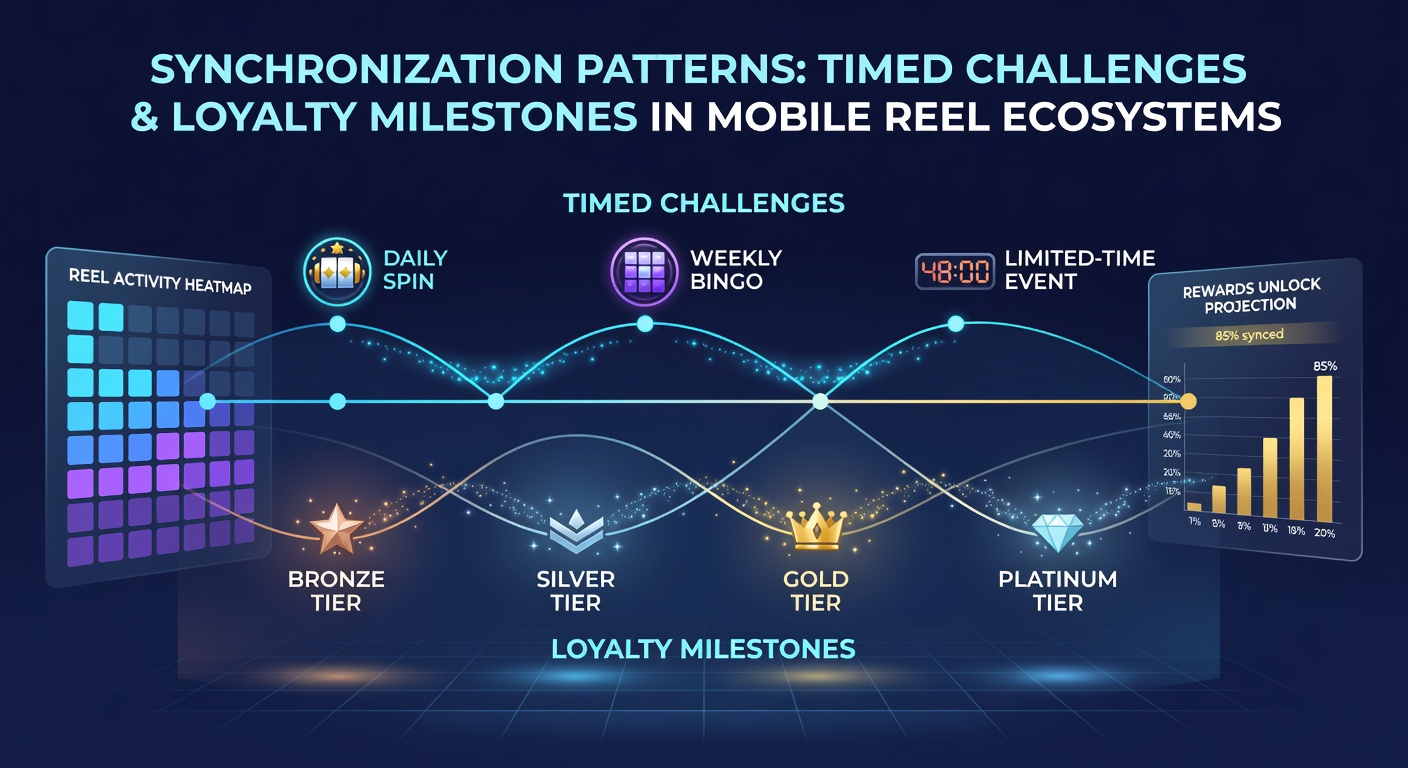
Platform operators track how timed challenges intersect with loyalty milestone systems to shape player retention metrics, and studies from industry analysts show these alignments often follow predictable cycles tied to daily login streaks and progression thresholds. Data collected across multiple app ecosystems reveals that events lasting 24 to 72 hours frequently overlap with tier advancement points, creating measurable spikes in session duration during those windows.
Core Elements of Timed Challenges
Timed challenges consist of mission sets that reset on fixed schedules, such as collecting specific symbol combinations within a set period or completing a sequence of spins before a countdown expires. Researchers monitoring app telemetry note that these tasks pull from a shared pool of mechanics including reel multipliers, symbol targets, and cumulative point thresholds, while the reset cadence aligns closely with server-side clocks that push notifications to users at consistent intervals.
Platforms segment these challenges into short bursts for casual users and extended campaigns for dedicated accounts, yet the underlying code structures remain similar across both tiers. Figures from aggregated user behavior reports indicate completion rates climb when challenges incorporate elements already present in standard gameplay loops, reducing friction between core spinning and event objectives.
Loyalty Milestone Structures
Loyalty systems accumulate points through base bets, bonus redemptions, and time-on-device measurements, converting those totals into tier upgrades that unlock escalating reward layers. Observers tracking backend databases find that milestone markers typically trigger at intervals of 500, 2000, and 5000 loyalty units, with each step granting access to new challenge variants or accelerated point multipliers.
These benchmarks operate independently of clock-based events in raw architecture, but integration layers allow point earnings from timed tasks to feed directly into milestone counters. Reports compiled by research groups such as those affiliated with Victorian Responsible Gambling Foundation document how this feed-through mechanism produces compounding effects when users hit both a daily mission cap and a tier threshold on the same day.
Observed Synchronization Patterns
Telemetry analysis across several operator networks shows peak overlap occurs when timed challenge resets coincide with loyalty recalculation batches, which often run at midnight in the user's registered time zone. Patterns emerge where a 48-hour event window captures two full loyalty update cycles, allowing players to bank points from challenge rewards and apply them toward the next milestone before the timer expires.
One documented sequence involves a weekly loyalty sweep that begins on Mondays while a parallel timed tournament launches every Tuesday, creating a 24-hour lag that lets accumulated points from the first day of the tournament push users across milestone boundaries. Data sets examined by academic teams at institutions focused on digital engagement confirm these staggered starts reduce drop-off rates compared to fully simultaneous launches.
Technical Integration Approaches
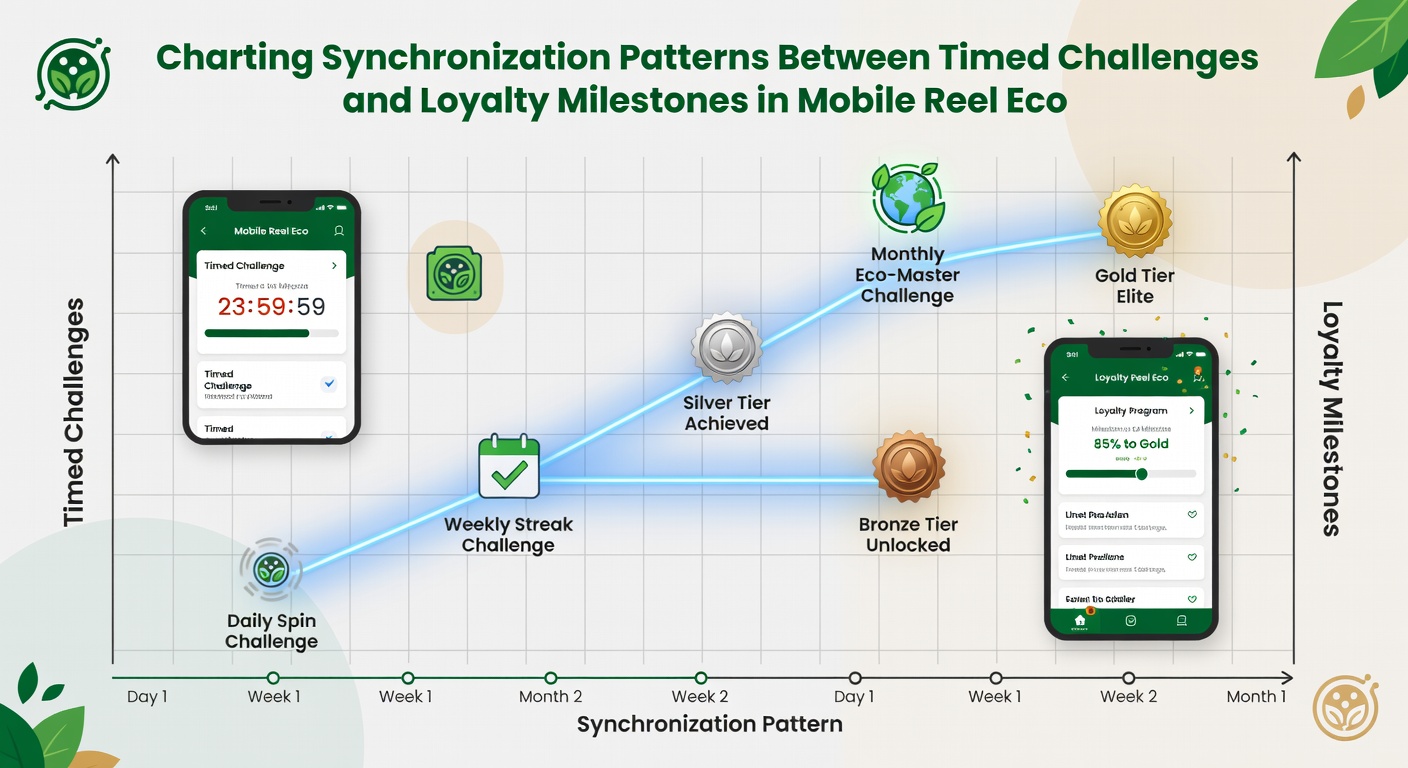
Developers implement shared data tables that log both challenge completion timestamps and loyalty point increments in a single transaction record, enabling real-time queries that surface combined progress to the user interface. Backend scripts run validation checks every few minutes to confirm that a completed timed task has incremented the correct loyalty counter without duplicating entries.
API endpoints exposed to front-end clients return unified status payloads containing remaining challenge time alongside distance to the next milestone, which keeps display elements synchronized without requiring separate network calls. Maintenance logs from major platform providers indicate these unified endpoints handle over 10,000 concurrent requests during peak evening hours in June 2026, when seasonal event calendars tend to intensify overlap frequency.
Regional Data Variations
Comparative reviews of deployment logs reveal differences in synchronization density between North American and European server clusters, with the former showing tighter alignment between weekend challenges and monthly loyalty resets. Analysts attribute these variations to differing regulatory reporting requirements that influence how frequently loyalty tallies must be archived and audited.
Cross-referencing with datasets maintained by organizations such as the Alcohol and Gaming Commission of Ontario highlights how provincial standards around player activity tracking encourage operators to surface combined challenge and loyalty metrics in a single dashboard view for compliance transparency.
Conclusion
The documented patterns demonstrate consistent structural linkages between timed challenge resets and loyalty milestone updates, supported by shared data architectures and notification systems that maintain coherence across user sessions. Continued monitoring of these alignments provides operators with measurable indicators of engagement flow, while regional compliance frameworks shape the precise timing and visibility of those connections.