Evolving Incentive Structures in Licensed Slot Gaming: The Journey from Basic Offers to Restricted High-Tier Benefits
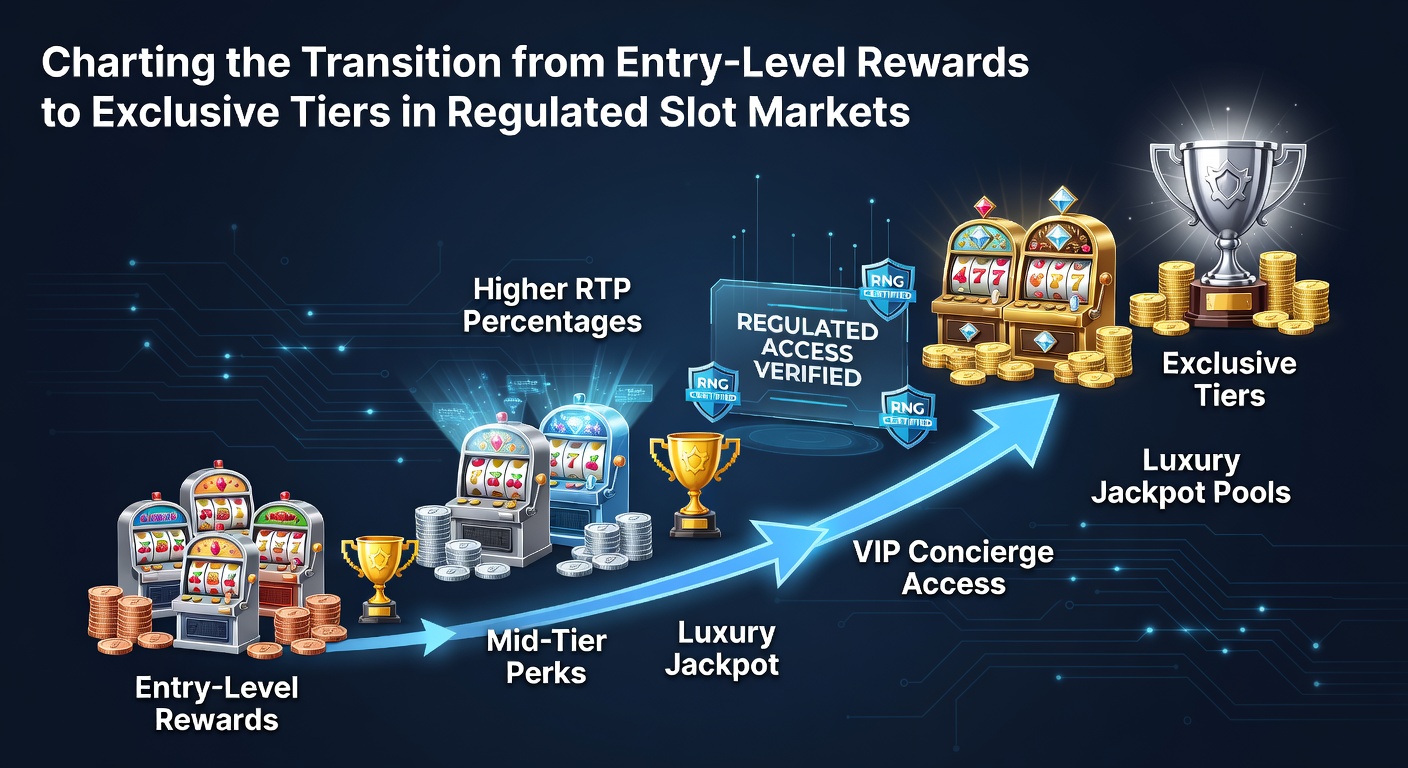
Regulated slot markets worldwide establish clear frameworks that guide players from initial incentives toward more selective reward levels, and operators implement these systems through structured loyalty mechanisms that track participation over time. Entry points often consist of modest deposit matches or limited free spin packages designed to introduce new participants to the platform while complying with licensing conditions that vary by jurisdiction.
Foundational Reward Layers and Player Onboarding
Operators in controlled environments begin by offering standardized welcome packages that include percentage-based deposit bonuses alongside restricted spin allocations, and these structures help establish baseline engagement metrics that feed directly into subsequent evaluation processes. Data from multiple licensing regions shows consistent patterns where initial rewards require full wagering fulfillment before unlocking any advancement opportunities, which ensures compliance with consumer protection standards. Those who study these systems note that onboarding sequences typically last between seven and thirty days depending on the market, after which activity logs determine eligibility for the next stage of benefits.
Progression criteria usually combine deposit volume, frequency of play sessions, and total wagered amounts into composite scores, while algorithms adjust thresholds dynamically to maintain balance across player segments. In practice this means a participant who deposits regularly yet maintains modest stake sizes may advance at a different pace compared to someone who concentrates activity into fewer but larger sessions.
Mechanics Behind Tier Advancement
Advancement through intermediate levels relies on accumulated loyalty points that convert into tangible perks such as cashback percentages, enhanced spin quantities, and personalized reload offers. Industry reports indicate that most regulated platforms segment these tiers into four or five distinct bands, each carrying escalating requirements that reflect both volume and consistency of participation. What's interesting here is how operators integrate time-bound challenges that accelerate point collection for players willing to meet specific daily or weekly targets.
Regulatory oversight in various territories mandates transparency around these point systems, requiring clear disclosure of conversion rates and expiry policies so participants understand exactly what actions contribute to upward movement. One study revealed that platforms incorporating visible progress trackers experience higher retention rates because players can monitor their status in real time and adjust behavior accordingly. Yet the reality is that reaching the upper bands often demands sustained activity across multiple months rather than isolated high-volume bursts.
Access to Restricted High-Level Perks
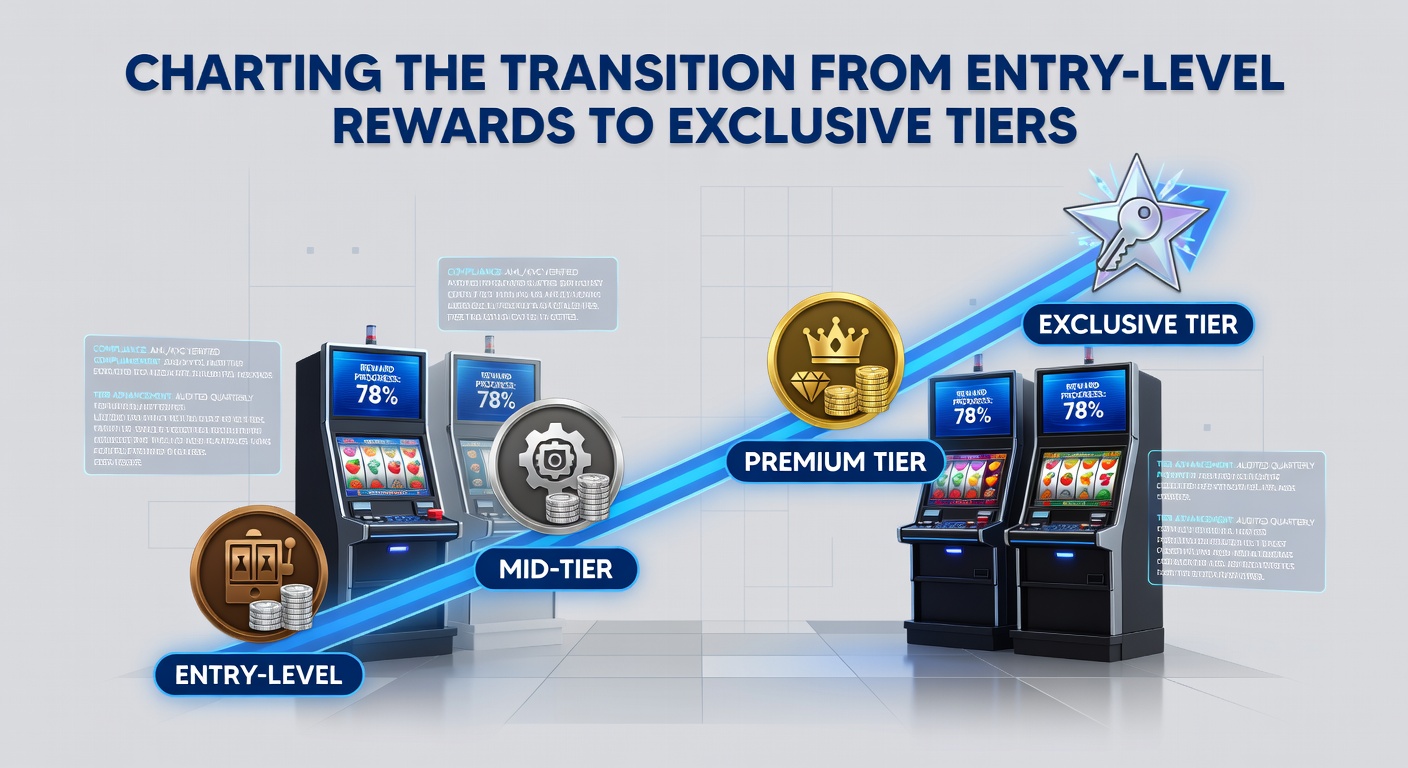
Exclusive tiers grant entry to benefits unavailable at lower levels, including dedicated account management, priority withdrawal processing, and invitations to private promotional events. According to research published by the Australian Communications and Media Authority, such selective access helps operators manage risk by concentrating higher-value rewards among verified high-activity users. Transition into these upper echelons frequently involves manual review processes where compliance teams verify ongoing adherence to responsible gaming guidelines before final approval.
Observers note that many markets schedule periodic recalibrations of tier criteria, with adjustments planned for implementation in May 2026 across several European and North American jurisdictions to align with updated consumer protection directives. These changes are expected to introduce standardized metrics for measuring engagement quality rather than relying solely on raw financial volume. Players who reach these levels often receive invitations to closed testing of new game features, creating an additional feedback loop that benefits both operators and the most engaged participants.
Regulatory Influences on Reward Design
Licensing authorities impose strict parameters around how rewards can escalate, including caps on bonus values and mandatory cooling-off periods between major promotions. Figures from the Nevada Gaming Control Board demonstrate that jurisdictions with clearer tier transparency rules report fewer player complaints regarding unexpected changes to reward structures. Operators respond by embedding compliance checks directly into their loyalty software, ensuring automatic enforcement of spending limits and self-exclusion protocols at every level.
Cross-border operators must reconcile differing national requirements, which sometimes results in parallel tier systems tailored to specific regional licenses. This layered approach allows platforms to maintain consistent player experiences while satisfying local regulatory demands that continue to evolve.
Conclusion
The transition from entry-level incentives to exclusive tiers in regulated slot markets follows predictable yet adaptable pathways shaped by licensing rules, player behavior data, and scheduled policy updates. As frameworks prepare for refinements in May 2026, operators continue refining their progression models to balance commercial objectives with mandatory consumer safeguards. Those who monitor these developments recognize that the underlying architecture remains focused on measurable participation metrics rather than arbitrary thresholds.