Engagement Patterns and Bonus Redemption Dynamics in Regulated Mobile Gaming
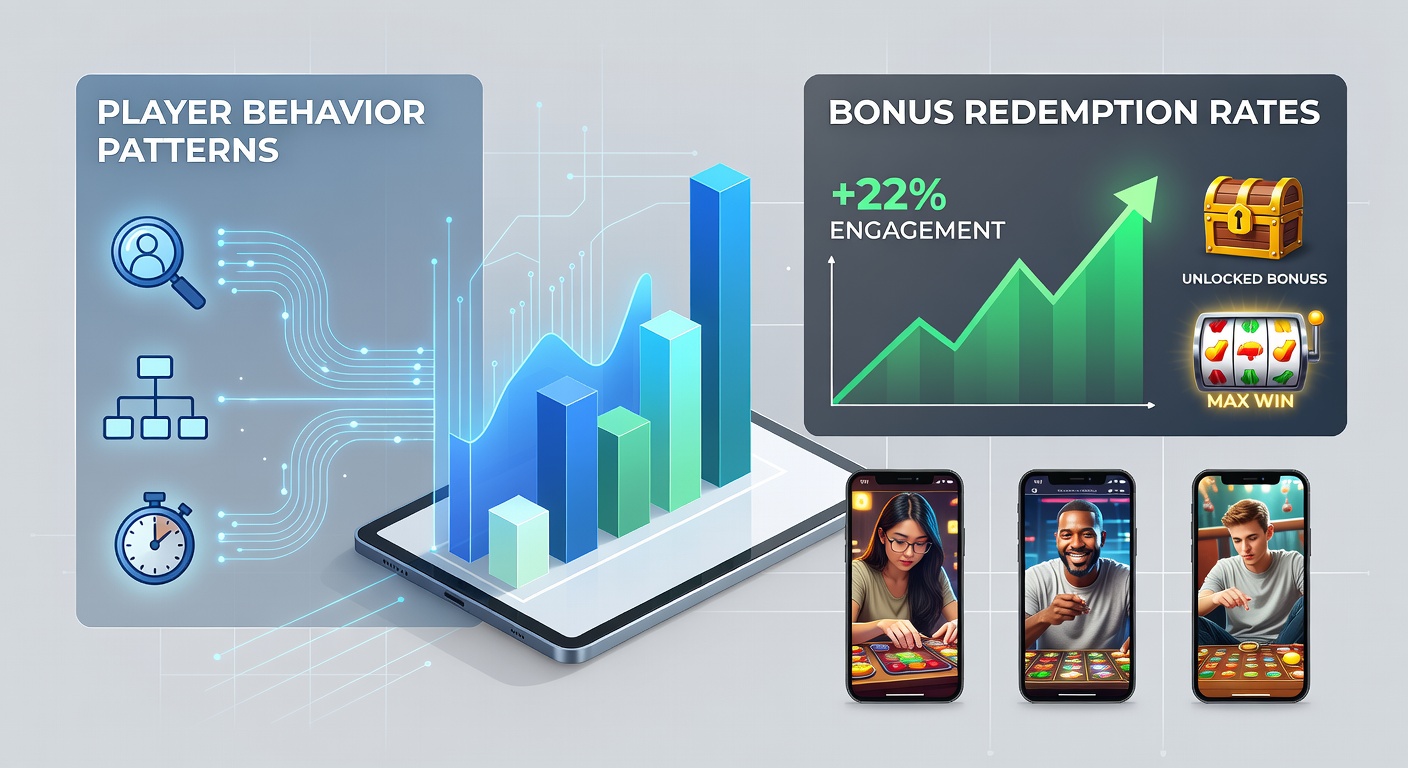
Player conduct in regulated mobile gaming environments follows distinct rhythms that directly shape how often promotional rewards get claimed and used, with data from multiple markets revealing consistent correlations between session frequency, deposit timing, and redemption outcomes. Researchers tracking app telemetry across licensed platforms note that users who log in daily during specific windows show higher completion rates for time-limited offers compared to those with sporadic activity, while patterns tied to device type and notification response further refine these results.
Core Behavior Categories Observed in Licensed Apps
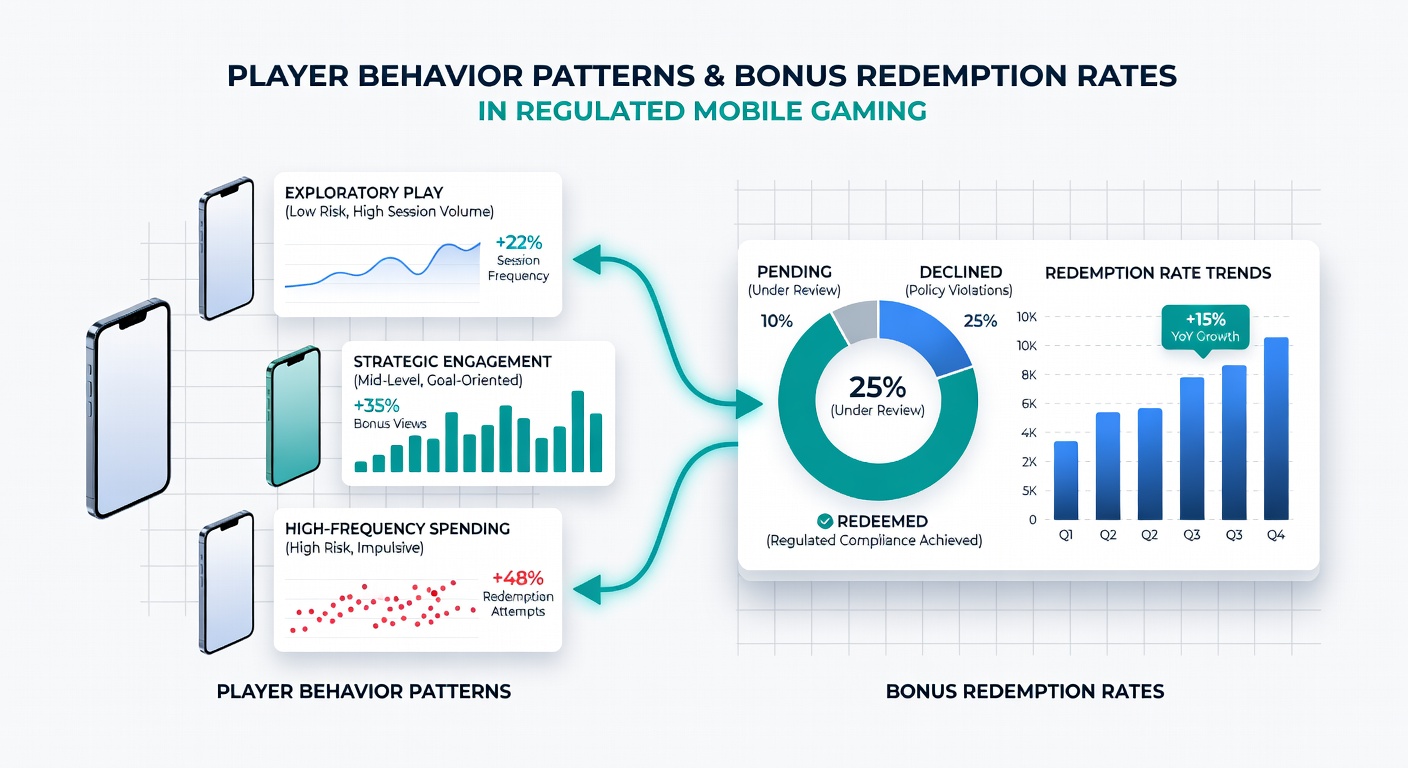
Analysts divide mobile gaming conduct into several measurable groups based on login cadence, spend velocity, and feature exploration depth, each group displaying unique interactions with bonus mechanics. Frequent short sessions, often under ten minutes, tend to align with quick-spin bonuses that require minimal commitment, whereas extended evening plays correlate with deposit-match redemptions that demand larger initial actions. Data from North American operators indicates that players responding to push notifications within the first hour after receipt achieve redemption rates up to thirty percent higher than those who delay engagement, highlighting how immediacy influences offer uptake.
Another observed pattern involves cross-device switching, where individuals begin play on phones during commutes and shift to tablets at home, a habit that sometimes interrupts bonus progress if platforms lack seamless state synchronization. Studies from the University of Nevada Reno's gaming research center have documented these transitions and their effects on completion metrics, showing that synchronized accounts maintain steadier redemption flows across sessions.
Regulatory Frameworks and Their Role in Shaping Outcomes
Licensed markets enforce verification steps, spending caps, and playthrough thresholds that interact with natural player habits to either facilitate or hinder bonus utilization. In jurisdictions like those overseen by the Nevada Gaming Control Board, mandatory identity checks occur before any reward activates, which can slow redemption for new accounts but ultimately increases long-term retention among verified users who return regularly. Australian regulatory reports from 2025 similarly track how mandatory cooling-off periods affect repeat claim rates, with evidence showing modest dips in immediate redemptions yet stable figures for players who maintain consistent weekly activity.
These rules create feedback loops where cautious users, who review terms before claiming, often complete requirements at higher rates because they select offers matching their actual play volume, while impulsive claimants encounter friction that reduces follow-through. Observers note that platforms adjusting bonus structures around peak regulatory compliance windows, such as post-verification periods, see measurable lifts in successful redemptions by May 2026 projections.
Quantitative Links Between Habits and Redemption Metrics
Industry reports compiled by the American Gaming Association reveal that loyalty tier progression strongly predicts bonus success, with mid-level users redeeming at rates nearly double those of entry-level accounts because accumulated play history aligns better with escalating requirements. Session clustering, where multiple short plays occur within a single day, also boosts outcomes when offers reset on daily cycles, allowing users to chain small wins toward larger thresholds without extended commitment.
Payment method preferences add another layer, as users favoring instant deposit options complete matched-bonus redemptions more reliably than those relying on slower transfers, according to aggregated platform data reviewed in 2025. Geographic variations appear as well, with European mobile cohorts showing stronger responses to social sharing incentives tied to bonuses, whereas North American patterns emphasize private session streaks and leaderboard participation.
Emerging Trends Heading Into Mid-2026
Platform updates scheduled for early 2026 incorporate adaptive bonus delivery that responds to individual habit profiles, such as surfacing no-deposit spins after three consecutive login days or adjusting wager multipliers based on average session length. These adjustments build on existing telemetry to reduce mismatches between offer design and user routines, with preliminary tests indicating improved overall claim completion across segments.
Behavioral segmentation tools now allow operators to group players by risk tolerance and engagement depth, enabling targeted campaigns that respect regulatory boundaries while maximizing redemption efficiency. Evidence from pilot programs suggests these refinements sustain higher utilization without increasing problematic play indicators tracked by oversight bodies.
Conclusion
Player behavior patterns exert measurable influence on bonus redemption rates within regulated mobile gaming, with login frequency, response timing, device habits, and compliance interactions forming interconnected drivers of outcomes. Continued monitoring across diverse jurisdictions, combined with platform adaptations informed by these patterns, supports more precise alignment between offers and user conduct through 2026 and beyond. Data from sources such as the American Gaming Association and academic centers continues to guide these developments while maintaining focus on licensed, transparent environments.