Coordinating Engagement Loops with Progressive Triggers in Mobile Reel Networks
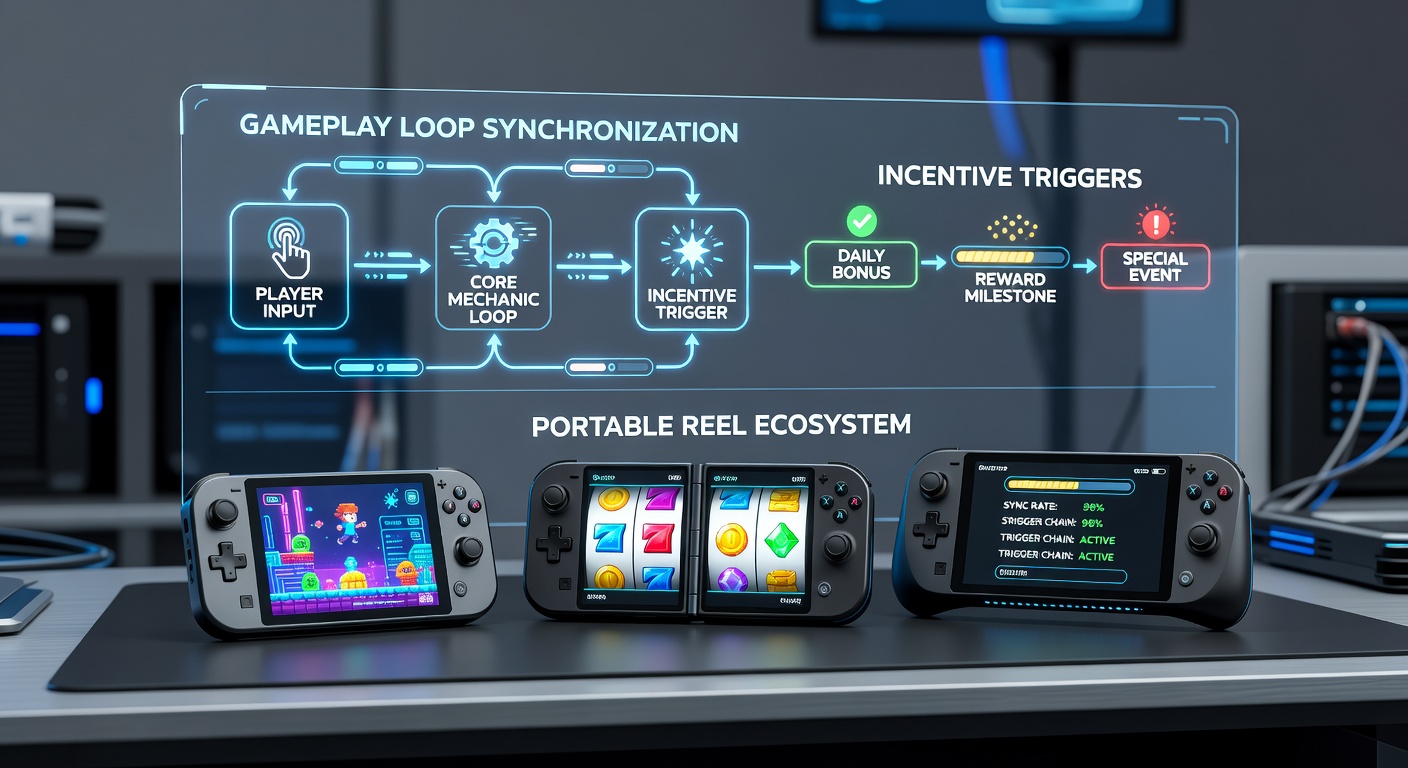
Game developers align core reel mechanics with timed incentive sequences to maintain player activity across mobile platforms, and this coordination relies on data-driven timing systems that respond to individual session patterns. Research indicates that such alignments produce measurable increases in session duration when triggers activate at precise intervals during standard spin cycles.
Mechanics Behind Loop Synchronization
Portable reel ecosystems operate through repeated cycles of spin initiation, symbol matching, and outcome resolution, while sequenced incentives introduce additional layers such as milestone rewards or escalating multipliers that activate based on cumulative play metrics. Observers note that these systems use server-side tracking to monitor reel rotations and insert bonus events without interrupting the primary flow, and this integration prevents overlap between base game events and reward notifications.
Data from industry reports shows that platforms employing sequenced triggers achieve higher retention rates when the timing aligns with natural pauses in player input, and this approach draws from behavioral studies conducted by groups like the Australian Gambling Research Centre. Those who analyze player telemetry find that short loops of three to five spins often precede the introduction of a sequenced incentive, which then extends the cycle by prompting additional actions.
Implementation Across Device Ecosystems
Developers deploy these synchronized frameworks on both iOS and Android environments by adapting trigger logic to device-specific performance constraints, and the process involves real-time adjustment of incentive frequency according to network latency and battery levels. In May 2026 several platforms introduced updated protocols that further refined these adjustments, allowing incentives to queue during low-activity periods and release only when reel loops stabilize.
Case examples reveal that one major operator integrated daily login streaks with in-session reel progressions, resulting in documented upticks in completed cycles per user according to aggregated analytics shared at gaming technology conferences. Researchers discovered that cross-device continuity remains a key factor, because players who switch between tablets and phones expect the same sequenced triggers to resume without reset.
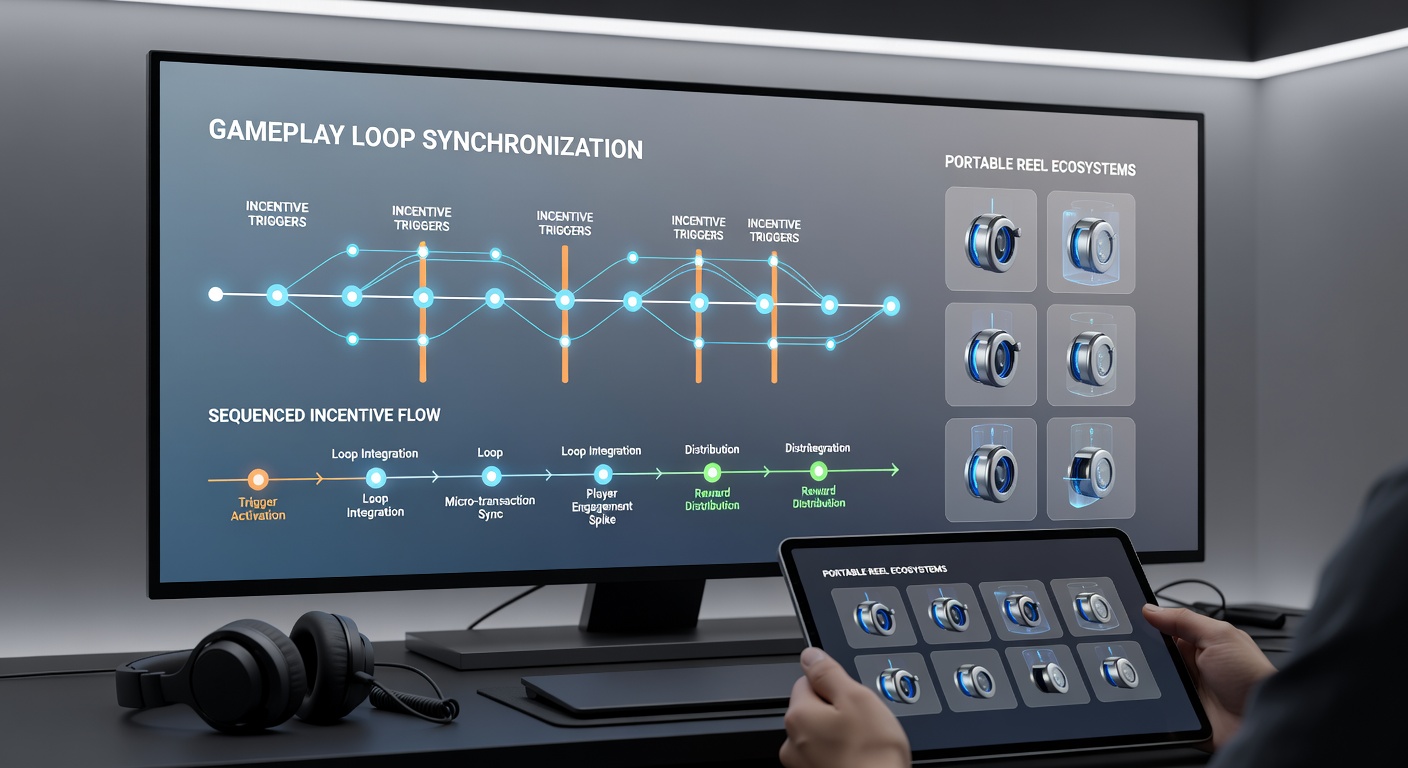
Role of Adaptive Algorithms in Trigger Sequencing
Algorithms process historical spin data to predict optimal moments for incentive deployment, and they prioritize sequences that build upon recent wins or near-miss patterns rather than random insertion. Evidence suggests this predictive method reduces player fatigue compared with static reward schedules, while still preserving the unpredictability that defines reel outcomes.
Analysts at research institutions such as the National Center for Responsible Gaming have examined how these algorithms balance commercial objectives with session health indicators, and findings indicate that well-calibrated sequences correlate with voluntary breaks rather than extended continuous play. Platforms that publish transparency reports note the use of machine learning models trained on anonymized datasets to refine trigger points over successive updates.
Regional Variations in Design Approaches
North American and European operators apply differing regulatory frameworks when structuring incentive sequences, yet the underlying synchronization principles remain consistent across jurisdictions. Canadian provincial regulators, for instance, require clear disclosure of trigger conditions, which influences how developers present the timing of rewards within the reel interface itself.
Industry conferences in 2025 highlighted comparative studies showing that regions with stricter disclosure rules experience slower but more stable adoption of advanced sequencing tools. Observers point out that these variations create opportunities for localized testing of loop-incentive pairings before wider rollout.
Future Developments in Reel Ecosystem Integration
Emerging standards focus on deeper integration between hardware sensors and gameplay loops, allowing incentives to respond to tilt gestures or ambient light changes on portable devices. Such advancements build directly on existing synchronization frameworks rather than replacing them, and preliminary deployments suggest further gains in engagement metrics when triggers adapt to physical interaction patterns.
Continued collaboration between software engineers and data scientists supports iterative improvements, because each update incorporates fresh telemetry from millions of completed reel cycles. The result is an evolving system where sequenced incentives remain tightly coupled to the fundamental rhythm of mobile slot play.
Conclusion
Effective coordination of gameplay loops with sequenced incentive triggers continues to shape portable reel ecosystems through precise timing, adaptive algorithms, and region-specific implementation. Data from multiple sources confirms that these alignments sustain player activity while respecting device limitations and regulatory expectations, and ongoing refinements point toward even tighter integration in subsequent platform iterations.